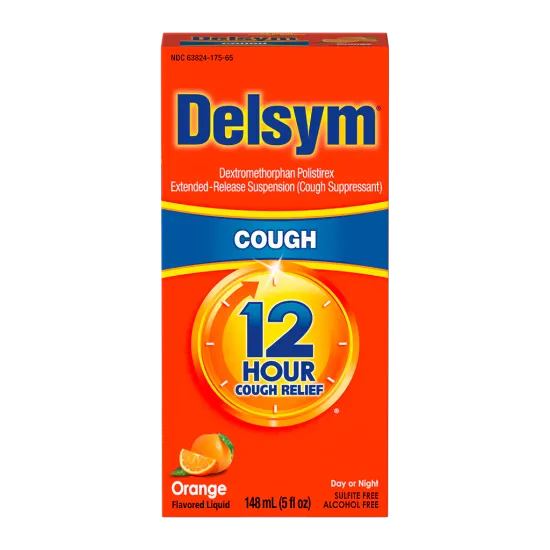
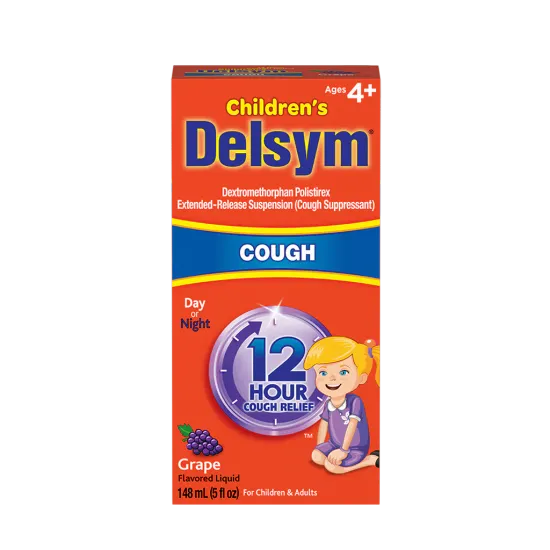
.avif)

DAY & NIGHT




The flu, or influenza, is a common viral infection that affects millions of people worldwide each year. While most cases of the flu resolve on their own with time, understanding the typical course of the illness can help manage expectations and ease the discomfort associated with symptoms.
The duration of the flu can vary based on several factors, including the individual’s overall health, the strain of the virus, and the measures taken during recovery. This guide will help you understand how long the flu can last, what to expect during recovery, and how to manage lingering symptoms effectively.
The flu typically begins suddenly with a variety of symptoms that can feel overwhelming. Most people start to experience symptoms within one to four days after exposure to the flu virus. Early signs of the flu include fever, chills, body aches, headaches, and fatigue. Some individuals may also experience a sore throat, cough, and nasal congestion.1
On average, these symptoms last for three to five days, though fever and body aches usually peak in the first couple of days before gradually improving.2 During this time, you might wonder, “How long can the flu last?”. Generally, the flu’s symptoms duration falls within a week for most people, although the experience can be different from one person to another. The body’s immune system works hard to fight off the virus during this initial phase, leading to many of the uncomfortable symptoms.
Although most flu cases last around one to two weeks, various factors can influence flu recovery time. People with pre-existing conditions such as asthma, diabetes, or heart disease may find that their symptoms linger longer. Additionally, age plays a significant role. Children, the elderly, and individuals with weakened immune systems may experience a longer flu symptom duration, and they might continue to feel unwell even after the acute phase of the illness.3
Other factors that can affect how long the flu lasts in your body include the strain of the virus. Each flu season brings different strains, and some are more aggressive than others, potentially extending the illness beyond the average time frame. Stress levels and lack of rest during the illness can also slow down recovery, making the virus persist in the body longer than usual.4
Even after the primary flu symptoms start to subside, it’s not uncommon for some to experience lingering effects, particularly fatigue and respiratory issues. At this stage, it’s natural to question, “How long can symptoms of the flu last?” In many cases, these lingering issues can last for several weeks after the worst of the flu has passed.
Fatigue is one of the most persistent symptoms following the flu. While your body may have cleared the virus, the immune system has been working overtime to combat it, leaving you feeling drained. Post-flu fatigue can last for several days to even a few weeks, depending on the severity of the illness and your overall health. It’s essential to allow your body the time it needs to fully recover. Pushing yourself too hard during this phase can prolong flu recovery time and make you more susceptible to other illnesses.
Another lingering symptom that people often face is a persistent cough. Respiratory symptoms, including a lingering cough, can last well beyond the typical duration of the flu. Some individuals report experiencing a cough for up to a month after the initial infection. This is often due to inflammation in the airways caused by the virus.
Coughing and other respiratory symptoms can be frustrating, especially if they interfere with daily activities or sleep. If the cough becomes more severe or is accompanied by difficulty breathing, it’s crucial to seek medical advice as these could be signs of a secondary infection or other complications.
While the flu takes time to run its course, there are steps you can take to support your body and potentially shorten flu recovery time. Proper care can help you manage symptoms more effectively and prevent complications.
Staying hydrated is essential for recovery. Flu symptoms such as fever and sweating can deplete your body’s fluids, leading to dehydration. Drinking plenty of water, herbal teas, and electrolyte-rich beverages can help replace lost fluids and speed up your recovery. Proper nutrition is also crucial. Eating foods rich in vitamins and minerals, such as fruits, vegetables, and lean proteins, can support your immune system as it fights off the virus.
Certain nutrients, such as vitamin C, vitamin D, and zinc, have been shown to boost immune function.5 Incorporating these into your diet, either through food or supplements, can make a significant difference in how quickly you recover. If you’re wondering how long the flu can last, maintaining a nutritious diet may help shorten the overall duration of your illness.
One of the most critical factors in recovering from the flu is getting plenty of rest. The body needs time to heal, and pushing yourself too hard can extend how long the flu can last for. Make sleep a priority by ensuring you get at least 7-9 hours of quality rest each night. If your symptoms are making it difficult to sleep, try propping yourself up with pillows to reduce coughing or taking a warm bath before bed to relax your muscles.
In addition to nighttime sleep, naps throughout the day can also help your body recover more quickly. Avoid physical exertion and stressful activities while you’re still recovering from the flu to reduce how long the flu can last in your body.
In summary, understanding how long the flu lasts and taking proactive steps to manage your symptoms can make the recovery process smoother. While most flu cases resolve within one to two weeks, lingering symptoms such as fatigue and respiratory issues can persist, especially if your body doesn’t get the rest and support it needs. By focusing on nutrition, hydration, rest, and effective management of lingering symptoms, you can minimize flu symptom duration and promote a faster recovery.